

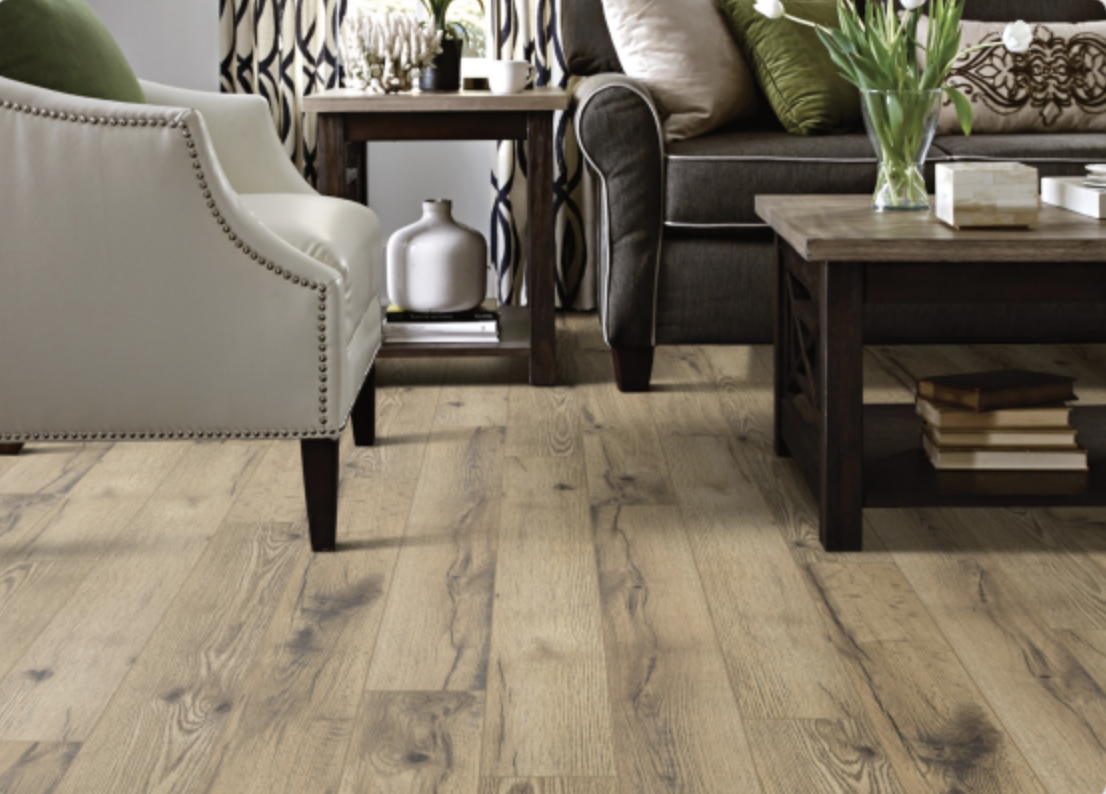
A home in the Lake Arrowhead area has a character that is difficult to reproduce anywhere else. Tall trees surround the community, the landscape changes with the seasons, and homes are often designed to feel connected to the mountain environment. Inside those homes, flooring plays a surprisingly important role in creating that atmosphere.
Hardwood flooring is one of the most natural choices for a mountain home because it brings warmth, texture, and timeless character into the space. But choosing hardwood for a home in the Lake Arrowhead area is not simply a matter of picking a wood species and a stain from a showroom sample. The right flooring needs to work with the home's architecture, lifestyle, lighting, furnishings, and the way the rooms are actually used.
For homeowners in Blue Jay and throughout Lake Arrowhead, hardwood can provide the foundation for an interior that feels both sophisticated and genuinely at home in the mountains.
Why Hardwood Works So Well in Mountain Homes
There is something inherently compatible about natural wood and mountain architecture. The grain, variation, knots, and organic textures of hardwood echo the materials found outside the windows.
This does not mean a hardwood floor has to make a home look rustic. Depending on the species, width, finish, and installation pattern, hardwood can support almost any interior style. A lighter oak floor can create a clean, contemporary appearance, while a deeper stain can make a room feel traditional and dramatic. Wider planks can emphasize the spaciousness of an open floor plan, while more traditional-width boards can create a classic appearance.
The versatility is one of hardwood's greatest advantages.
Rather than treating the floor as an afterthought, homeowners can use it as one of the primary design elements in the room. Cabinetry, wall colors, furniture, fireplaces, staircases, and architectural details can all be selected around the flooring.
In a mountain property, that can be particularly effective because the flooring becomes a visual connection between the natural surroundings and the interior.
Understanding the Difference Between Hardwood Options
Not all hardwood flooring is the same.
One of the first decisions homeowners face is whether to choose solid hardwood or engineered hardwood. Both can provide the appearance and feel associated with real wood, but their construction is different.
Solid hardwood is milled from a single piece of wood. It has a substantial feel and can often be refinished multiple times over its lifespan. Engineered hardwood, on the other hand, is constructed using multiple layers, with a real hardwood surface layer on top.
Engineered hardwood can be an especially interesting option when environmental conditions and installation considerations matter. Its layered construction provides dimensional stability that can make it suitable for a wider variety of interior applications.
The best choice depends on the specific property, subfloor, installation environment, and homeowner priorities. A flooring professional can help determine which construction makes sense rather than simply recommending one type for every project.
The Wood Species Changes the Entire Personality of a Room
The species of hardwood you choose can dramatically influence the appearance of the finished space.
Oak remains popular because it combines durability, recognizable grain patterns, and considerable design flexibility. Maple can provide a smoother, more understated appearance. Hickory introduces pronounced variation and character, making it appealing for homeowners who want a floor with a stronger natural presence.
Walnut can create a richer, more luxurious atmosphere, particularly in formal areas or interiors where darker tones are part of the overall design.
There is no universally "best" species. Instead, the right species depends on what you want the room to communicate.
A floor with heavy natural variation may be perfect for a casual mountain retreat, while a more consistent appearance might work better in a contemporary Lake Arrowhead home.
Color Is More Than a Matter of Taste
Flooring color affects how large, bright, warm, or dramatic a room feels.
Light hardwood can help a room feel open and airy. This can be particularly useful in spaces where natural light is limited or where homeowners want to emphasize a modern aesthetic.
Medium-toned hardwood often offers a balance between warmth and versatility. It can complement both contemporary and traditional furnishings without dominating the room.
Dark hardwood can create a sophisticated, intimate appearance, but it also tends to show dust, debris, and pet hair more readily.
In a mountain home, it is worth considering the colors that already exist outside and inside the property. Earth tones, natural stone, wood beams, fireplaces, and large windows can all influence the ideal flooring choice.
Instead of choosing a color based solely on a small sample, look at how different flooring options interact with the actual room.
Wider Planks Can Transform the Look
Plank width is another design decision that homeowners sometimes overlook.
Wide-plank hardwood can create a more expansive, relaxed appearance. Because there are fewer seams across the floor, the grain and character of the wood can become more visually prominent.
This style can work particularly well in open-concept living areas where homeowners want the flooring to create a continuous visual plane.
Narrower planks can create a more traditional appearance and may be appropriate for homes with classic architectural details.
Neither option is inherently better. The proportions of the room and the architecture of the house should guide the decision.
Think About the Entire Home, Not Just One Room
One of the biggest advantages of hardwood flooring is its ability to create continuity.
When the same or complementary hardwood runs through several connected spaces, the home can feel larger and more cohesive. Instead of each room having a completely separate identity, the flooring establishes a consistent visual foundation.
This can be especially valuable in Lake Arrowhead homes with open living spaces where the kitchen, dining area, and living room transition directly into one another.
That does not mean every room must have identical flooring. Bedrooms, bathrooms, laundry areas, and other spaces may call for different materials based on moisture, comfort, and usage.
The goal is visual coordination rather than forcing one material into every situation.
Hardwood and Mountain Lifestyle
A flooring decision should also reflect how the property is actually used.
Mountain homes can experience plenty of activity. Boots come inside after outdoor adventures. Guests move between rooms. Pets may bring in dirt and moisture. Furniture may be moved during seasonal gatherings.
Hardwood can handle everyday activity when it is properly selected, installed, and maintained, but it should not be treated as indestructible.
Area rugs can help protect high-traffic areas while adding softness and visual interest. Felt pads beneath furniture can help reduce scratching. Promptly cleaning spills can help protect the finish.
The way a hardwood floor ages is also part of its appeal. Small marks and changes in appearance can become part of the story of a lived-in home. With proper care, hardwood can remain an attractive flooring choice for many years.
Don't Choose Hardwood From a Photograph Alone
Online inspiration is useful, but flooring is one of those purchases where physical samples matter.
A photograph can make a hardwood floor look completely different depending on lighting, camera settings, room finishes, and surrounding colors.
A sample viewed in a showroom is only the beginning. Ideally, homeowners should consider how the flooring will look under the natural light entering their home and alongside their existing cabinetry, furniture, walls, and architectural elements.
This is where working with a flooring showroom can make the process much easier. Instead of trying to coordinate dozens of products independently, homeowners can compare materials and discuss practical considerations with professionals who understand flooring applications.
The Installation Matters as Much as the Product
Even an excellent hardwood product can produce disappointing results if it is not installed correctly.
Subfloor conditions, transitions, layout, expansion requirements, moisture considerations, and room-to-room connections all need to be evaluated before installation begins.
The direction in which planks are installed can also influence the finished appearance. In some spaces, running boards parallel to the longest wall can emphasize the dimensions of the room. In other cases, architectural features, sightlines, or existing flooring dictate a different approach.
Professional installation helps ensure the design you selected translates properly into the finished floor.
Hardwood Can Become the Defining Feature of Your Interior
There are flooring choices that simply fill the space beneath your feet, and there are flooring choices that influence the entire identity of a room.
Hardwood belongs in the second category.
In a Lake Arrowhead home, the right hardwood can complement exposed beams, stone fireplaces, natural light, modern kitchens, traditional furniture, or minimalist interiors. It can make a room feel warmer without making it feel dated and sophisticated without making it feel overly formal.
Most importantly, hardwood has a natural quality that fits the environment surrounding Blue Jay and Lake Arrowhead.
If you are considering hardwood flooring for your home, visit Arrowhead Floor & Windows to explore flooring options and discuss what works for your property. Serving homeowners in Blue Jay, CA, and the Lake Arrowhead, CA area, Arrowhead Floor & Windows can help you compare hardwood flooring choices and find an option that fits both the design and everyday demands of your mountain home.